Work from the leaf line down
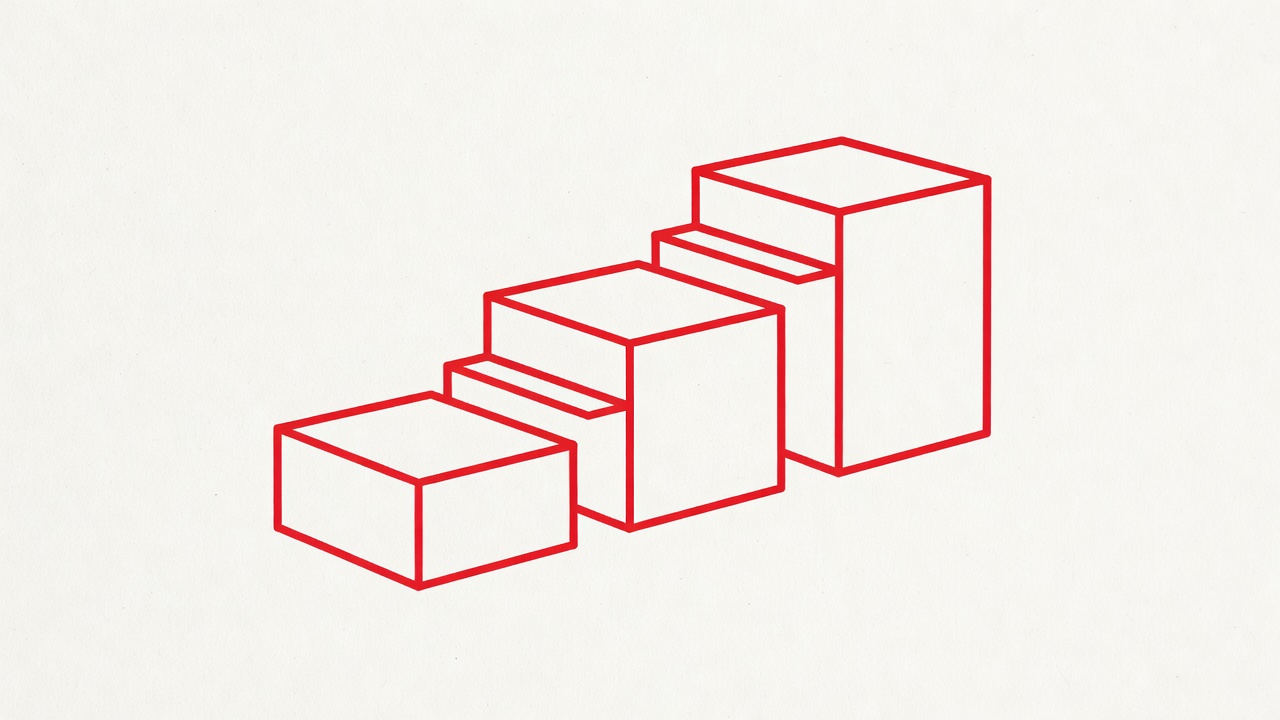
When planning a display, look at where the foliage finishes rather than where the stand begins. Two different stands can produce the same canopy height if one carries a tall plant and the other a short one. Sketch the overall outline first: a low starting point, a middle layer and one taller element often create an easy rhythm without turning the corner into a staircase.
This is a composition suggestion, not a rule requiring three plants. A single floor-standing specimen may already fill the space. If another pot would obscure its shape or crowd a useful table, stop there. The aim is to give the eye a clear route through the greenery while preserving the room’s practical surfaces.
Check the support before the finish
A stand must suit the fully watered container, including the plant, potting medium and any decorative outer pot. Follow the manufacturer’s load limit and assembly instructions. Choose a base that remains stable on your actual floor, not simply one that looks balanced in a photograph. A soft rug, uneven tile or narrow ledge can change how a support behaves.
Keep tall, top-heavy arrangements away from places where people, pets or opening doors could knock them. Do not stack improvised stools or balance a heavy planter on furniture that was not designed for it. Shelves and wall fixings need appropriate support for the wall construction and load. In a rental, get permission where required rather than assuming that a small fixing is harmless.
- Base
Check floor contact and resistance to accidental knocks.
- Load
Consider the wet arrangement, not an empty decorative pot.
- Position
A taller stand changes light exposure as well as appearance.
Keep watering separate from display
A decorative container does not automatically provide drainage. An inner nursery pot can make it easier to water in a sink or another appropriate place, allow excess water to drain, and then return the plant to its display. Do not leave the inner pot standing in collected water unless the species and growing method specifically require it.
Protect timber, cork and other vulnerable surfaces with a suitable waterproof barrier. Woven baskets can conceal a container, but they are not inherently watertight. Check trays and liners regularly for cracks, condensation and trapped moisture. Leave enough hand space to lift the pot safely; an arrangement that needs dismantling every time you water will soon feel less restful than it looks.
Use trailing plants deliberately
A trailing plant can connect a shelf to the furniture below, but its stems should not become a curtain across handles, sockets or access routes. Epipremnum aureum and Philodendron hederaceum are familiar trailing examples with their own care needs and toxicity concerns. Do not select them solely because a high shelf needs softening, and remember that hanging a plant higher does not guarantee that pets cannot reach it.
Check the light at the shelf itself. The top of a bookcase may be farther from useful window light than it appears from below. Keep foliage away from hot light fittings and avoid placing a wet pot above electronics. A botanical print can provide the same downward visual link without creating an awkward watering task.
Edit until each level is useful
Stand at the main entrance and look for crowded overlaps. If every pot rim, leaf and shelf edge meets at one height, move or remove a supporting element rather than adding another. Repeating one stand material can connect mismatched pots, while a shared container finish can unify different support shapes. You do not need both repetitions at once.
Finally, test the display in ordinary use. Sit down, reach for the reading lamp, clean the floor and take the plant out for inspection. For a compact lounge, a sturdy floor pot and one medium-height stand often provide enough variation. Preserve a clear tabletop for daily life. A successful display makes care easier and the room calmer, not merely fuller.
Arrangement note: two levels, not three
Use one broad floor plant beside a lower open stand carrying a smaller upright plant. Leave the upper wall clear. The gap between their canopies supplies the contrast; an extra shelf is unnecessary.